Order Orthoptera (Grasshoppers, Crickets, and Katydids)
About
Observations
Species
Taxonomy
Associated Species
No text for Order: Orthoptera
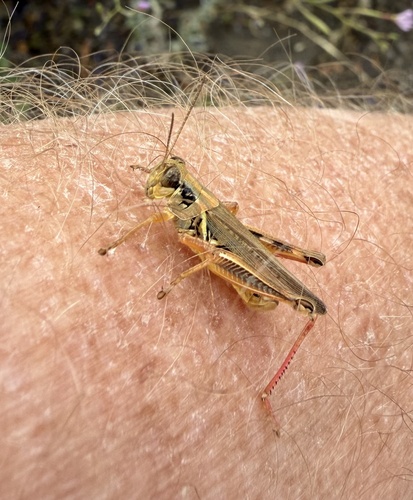
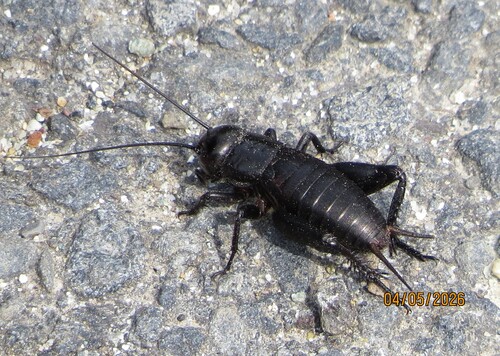
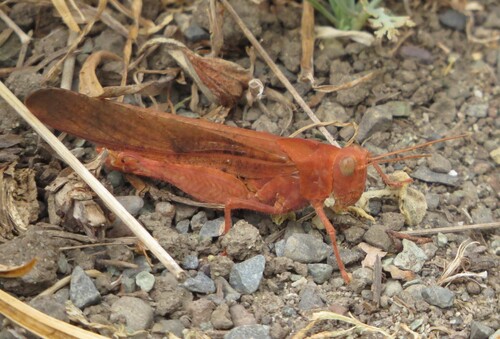
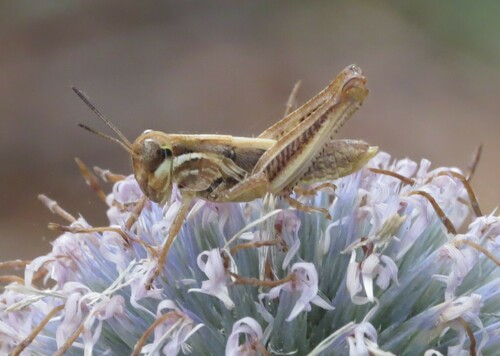
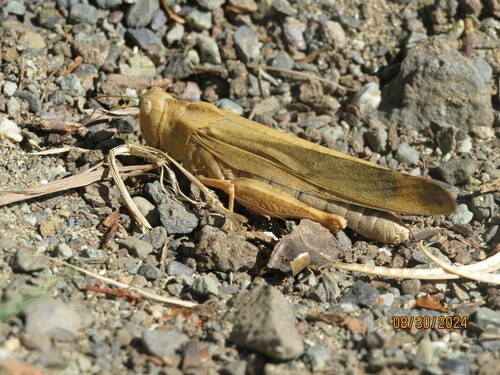
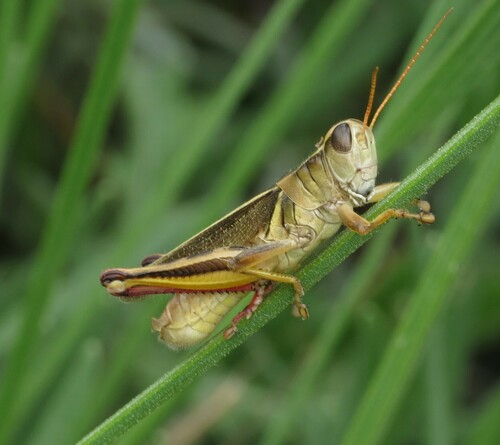
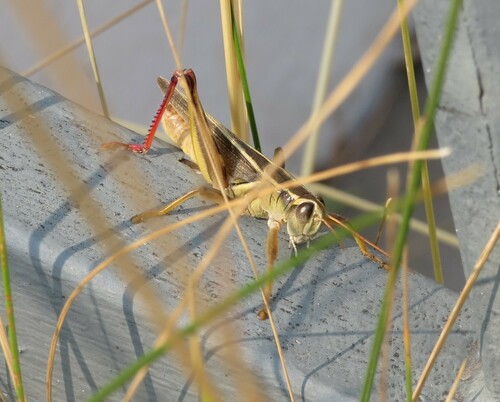
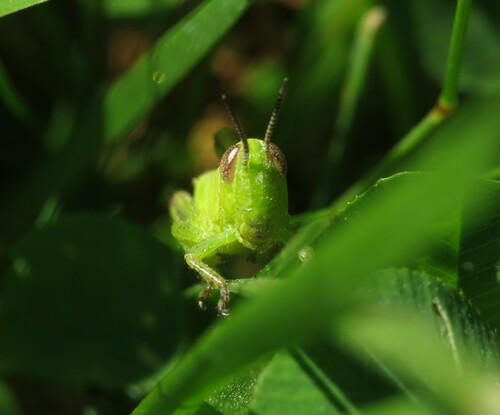
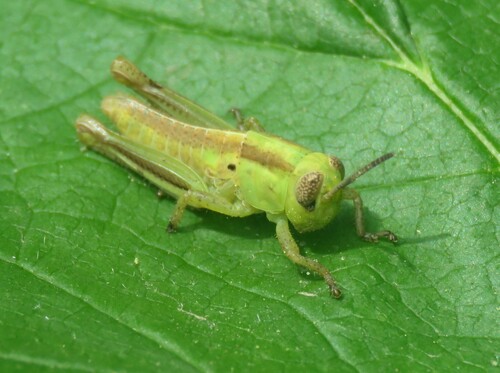
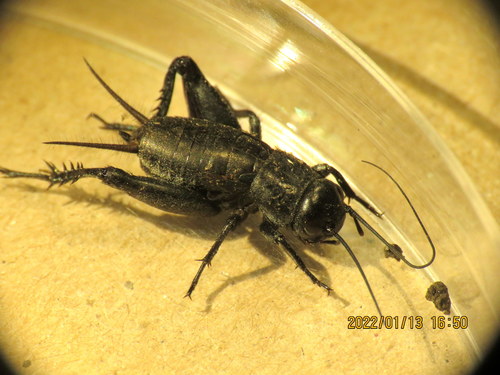
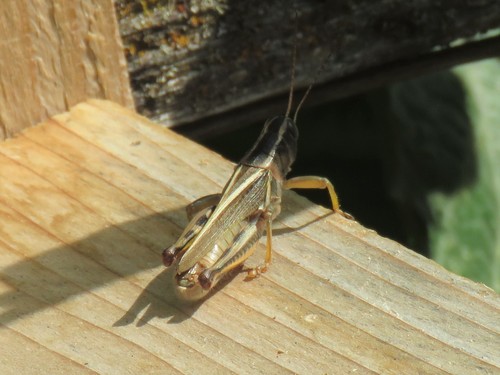
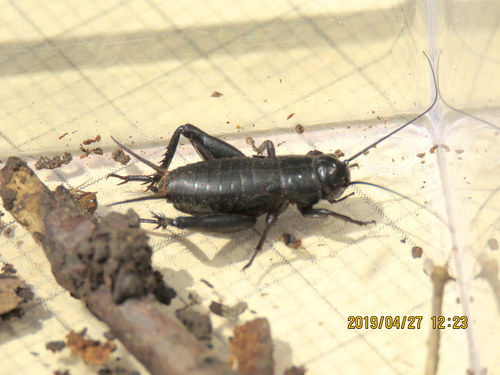
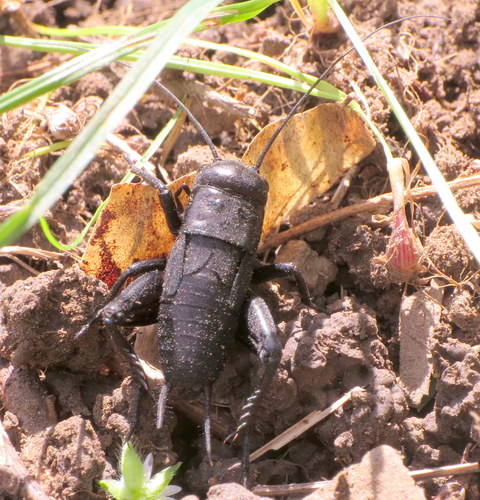
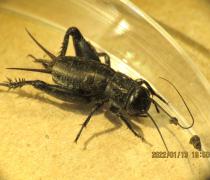
Gryllus veletis
(Spring Field Cricket)
(Spring Field Cricket)
Found under a rock after snow melt. 20 mm
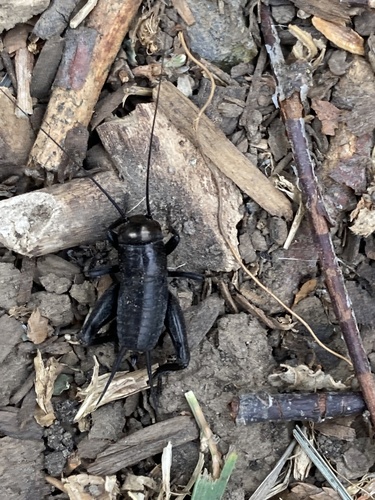
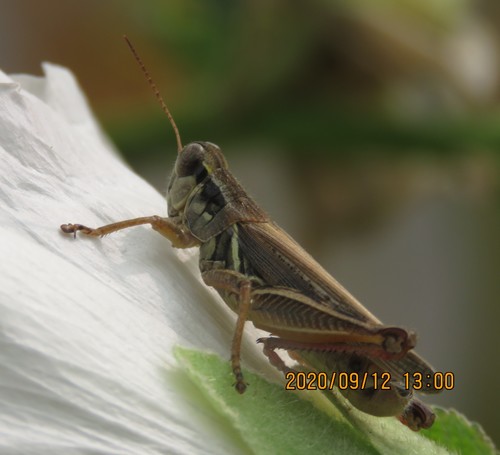
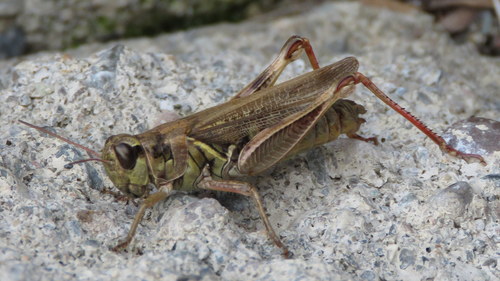
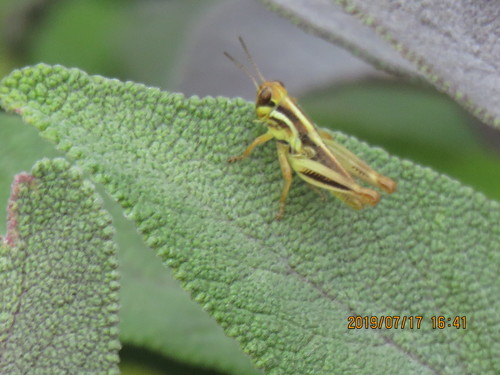
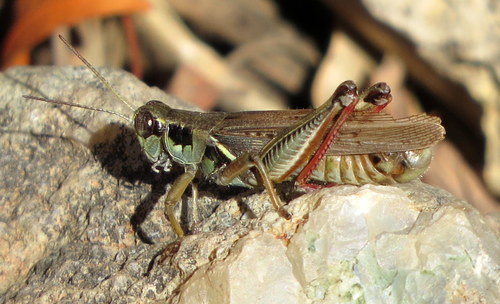
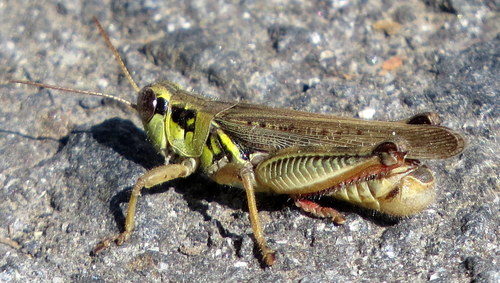
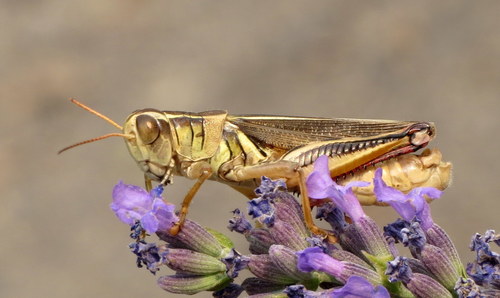
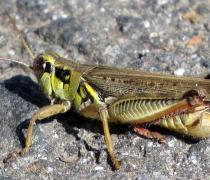
Melanoplus bivittatus
(Two-striped Grasshopper)
(Two-striped Grasshopper)
Associated Species: Lavandula angustifolia (Common Lavender)
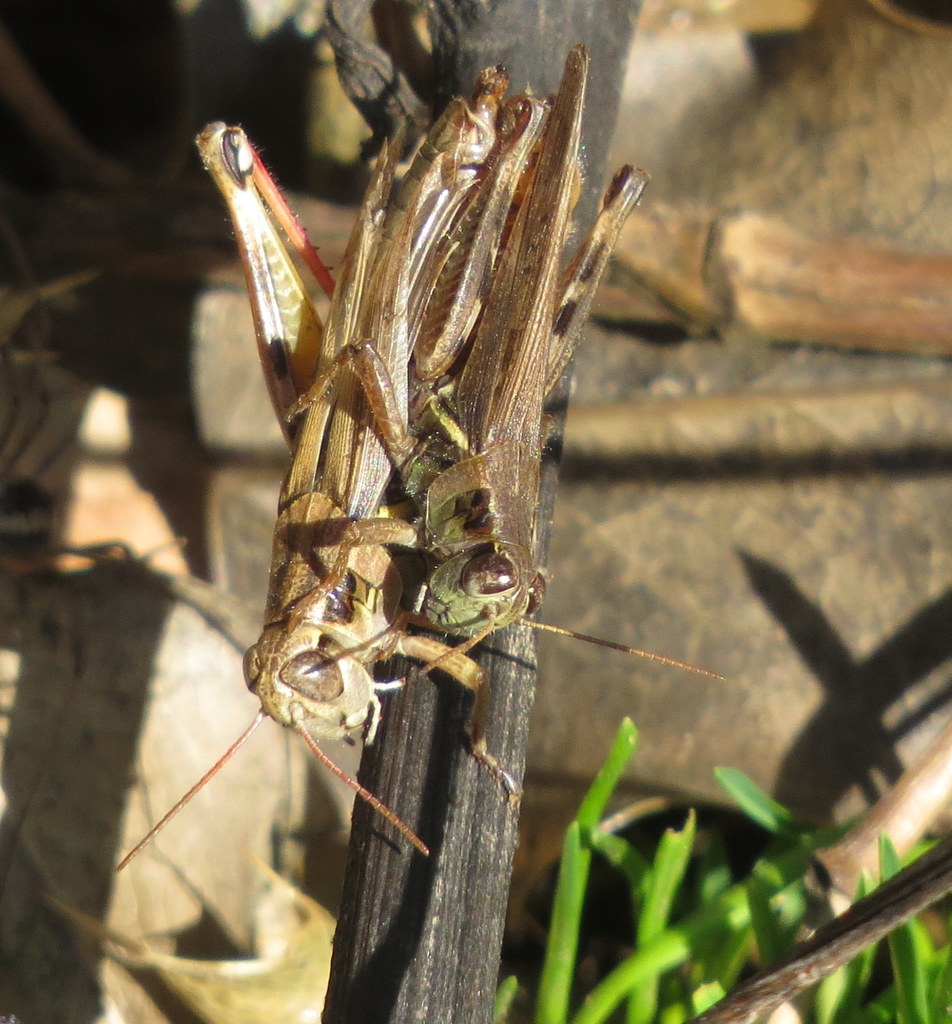
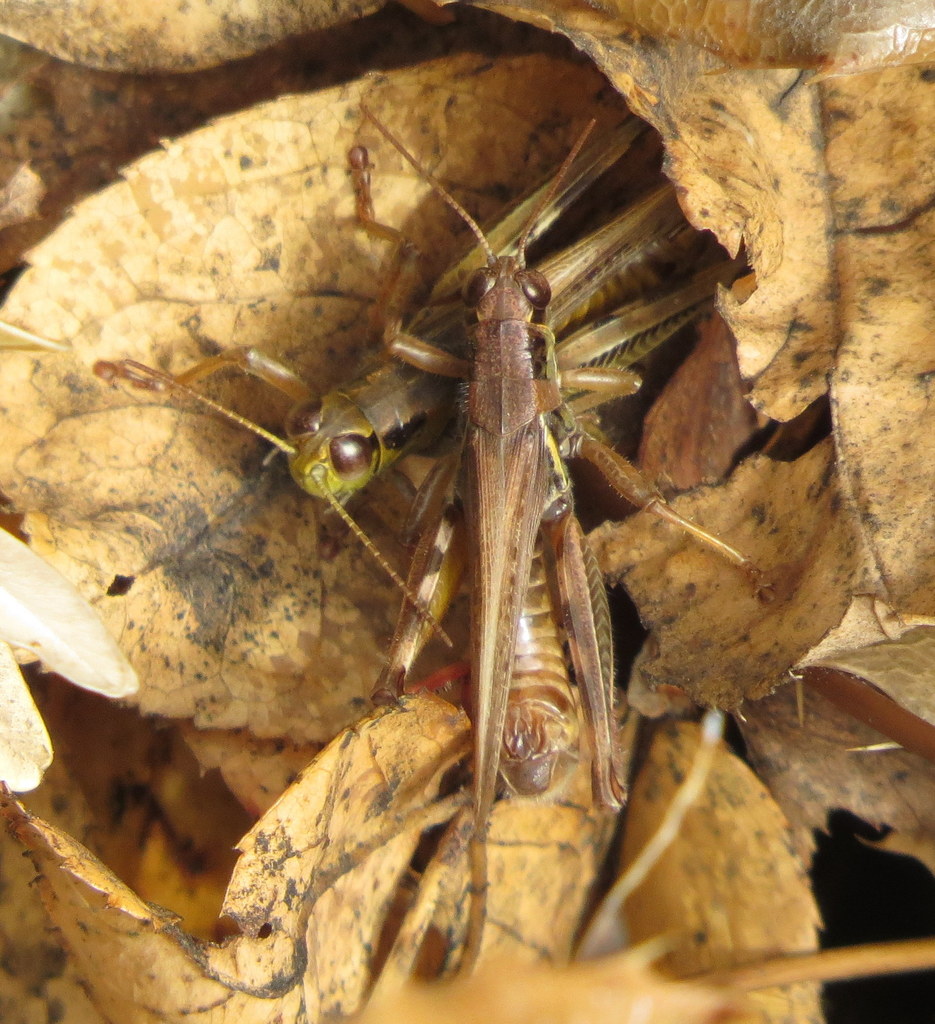
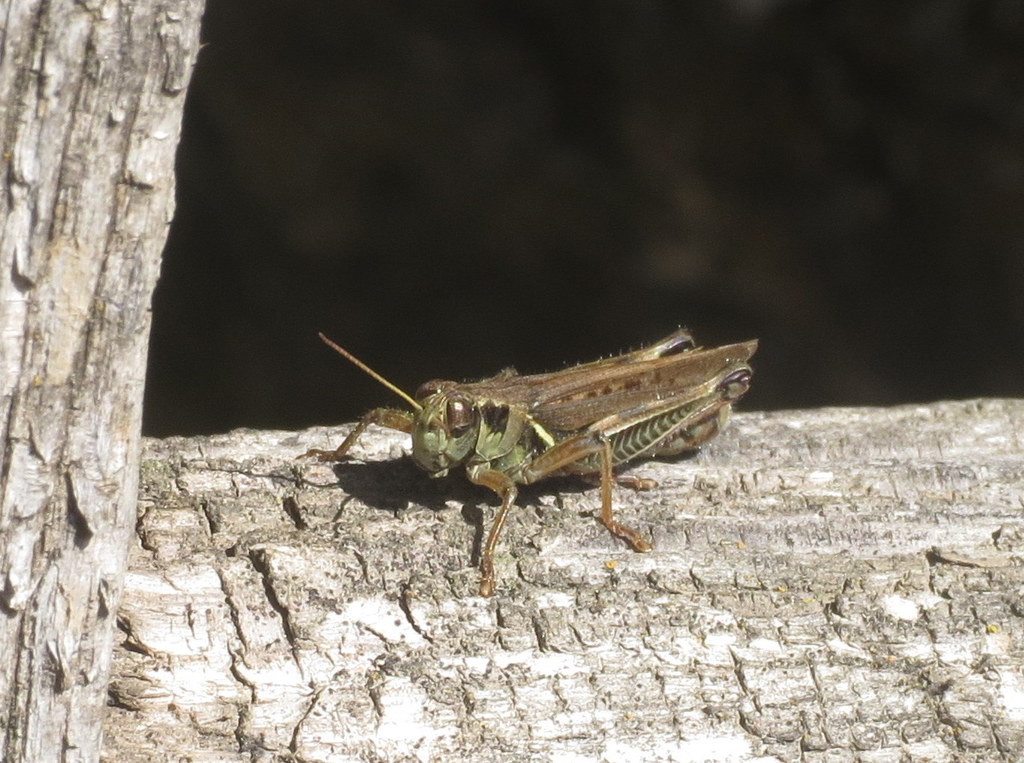
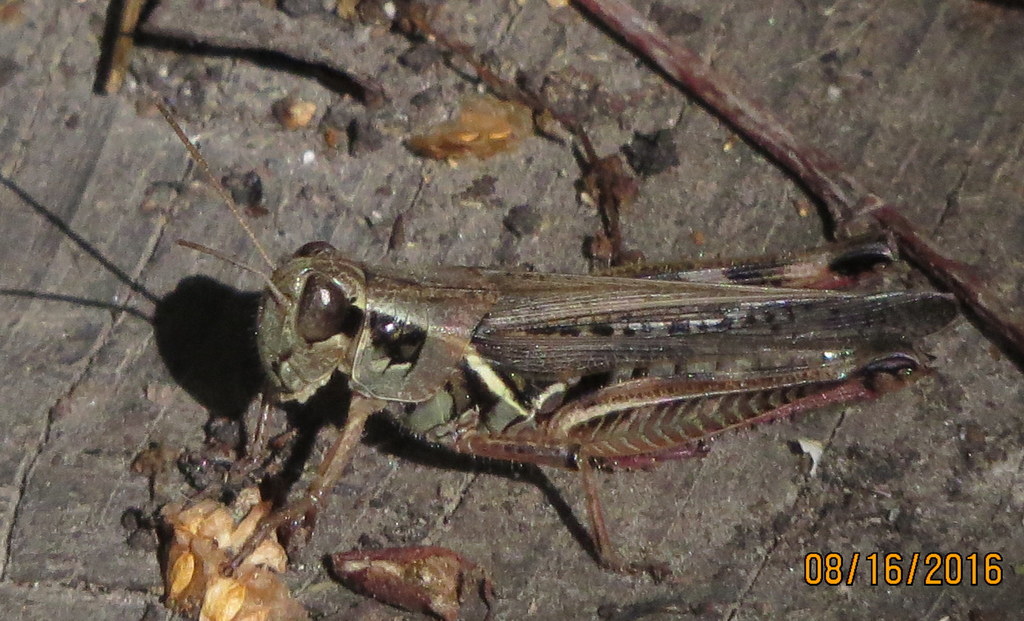
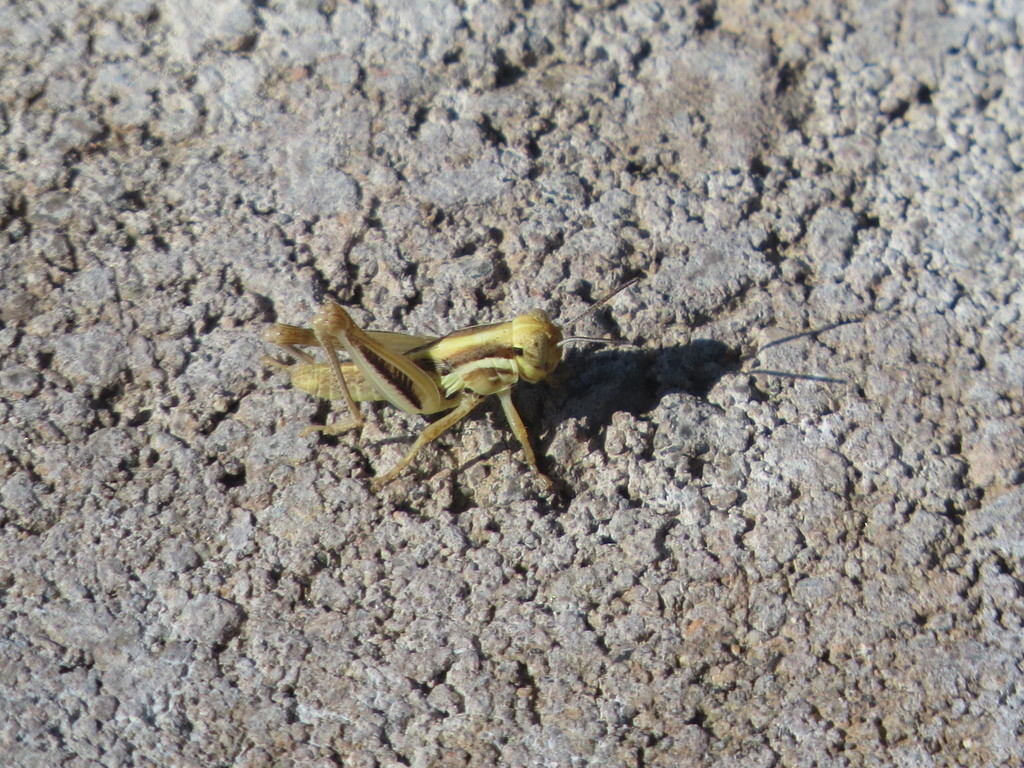

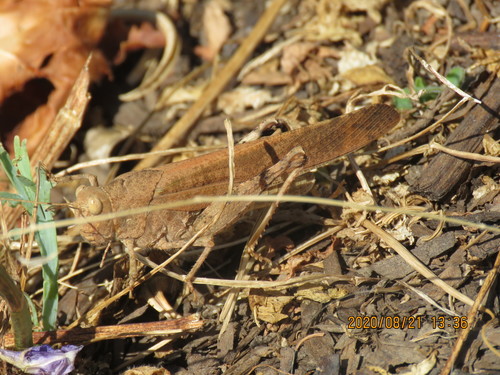
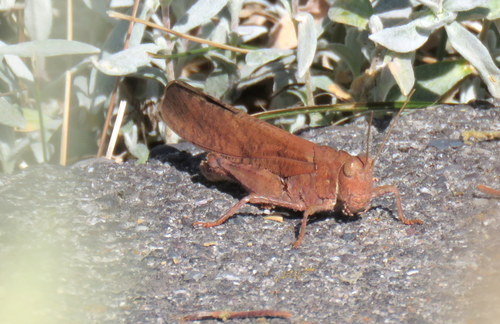
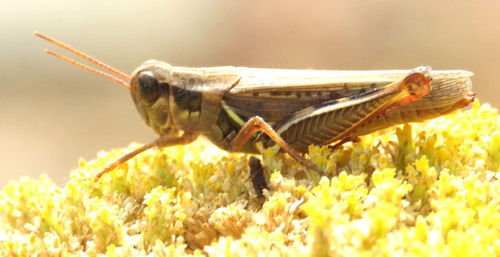
Dissosteira carolina
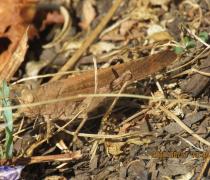
(Carolina Grasshopper)
(Carolina Grasshopper)
Looks like a Mourning Cloak when flying

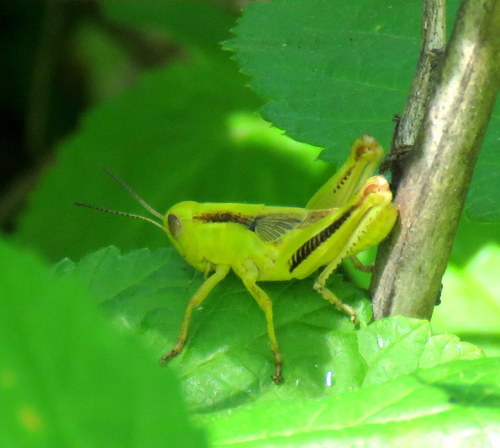
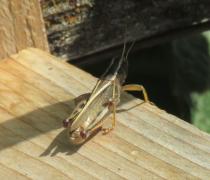
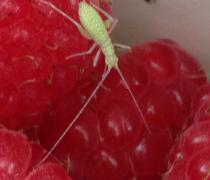
Oecanthus sp.
This is either Riley's or Snowy tree cricket - evidenced by the equally sized and spaced white dots on the abdomen, and the black intermittent rings on the antennae. Nymphs cannot be ID'd to species without a close view of the black dots on the front ...
Associated Species: Rubus idaeus (Red Raspberry)
o_idstdClass Object
(
[id] => 14
[class_id] => 7
[order_name] => Orthoptera
[common_name] => Grasshoppers, Crickets, and Katydids
[order_text] =>
)
stdClass Object
(
    [id] => 385
    [k_id] => 1
    [p_id] => 2
    [sp_id] => 1
    [c_id] => 7
    [sc_id] => 1
    [o_id] => 14
    [so_id] => 12
    [io_id] => 16
    [supf_id] => 77
    [f_id] => 135
    [sf_id] => 173
    [t_id] => 166
    [st_id] => 0
    [g_id] => 293
    [sg_id] => 0
    [s_id] => 229
    [ss_id] => 0
    [o_desc] =>
    [o_time] => 1565252340
    [inat_time] => 1565252340
    [cat_id] => 84
    [o_image] =>
    [o_featured] => 0
    [inat_url] => https://www.inaturalist.org/observations/30452896
    [inat_image_url] => https://inaturalist-open-data.s3.amazonaws.com/photos/47578548/medium.jpeg
    [o_short_desc] =>
    [lowest_level] => s_id
    [llid] => 1
    [cultivated] => 0
    [introduced] => 0
    [good_image] => 1
    [pollinating] => 0
    [pollinating_level] =>
    [eco_interaction] => 0
    [gender] =>
    [research_grade] => 1
    [beeatlas] =>
    [admin_notes] => Updated from iNat
    [gbif_url] => http://www.gbif.org/occurrence/2350330897
    [collection] =>
    [collection_method] => 0
    [num_individuals] => 1
)
stdClass Object
(
    [id] => 4446
    [k_id] => 1
    [p_id] => 2
    [sp_id] => 1
    [c_id] => 7
    [sc_id] => 1
    [o_id] => 14
    [so_id] => 12
    [io_id] => 16
    [supf_id] => 77
    [f_id] => 135
    [sf_id] => 173
    [t_id] => 166
    [st_id] => 0
    [g_id] => 293
    [sg_id] => 0
    [s_id] => 231
    [ss_id] => 0
    [o_desc] =>
    [o_time] => 1786026952
    [inat_time] => 1786026952
    [cat_id] => 84
    [o_image] =>
    [o_featured] =>
    [inat_url] => https://www.inaturalist.org/observations/388892010
    [inat_image_url] => https://inaturalist-open-data.s3.amazonaws.com/photos/712307446/medium.jpg
    [o_short_desc] =>
    [lowest_level] => s_id
    [llid] => 1
    [cultivated] => 0
    [introduced] => 0
    [good_image] =>
    [pollinating] => 0
    [pollinating_level] =>
    [eco_interaction] => 0
    [gender] =>
    [research_grade] => 0
    [beeatlas] =>
    [admin_notes] => Updated from iNat
    [gbif_url] =>
    [collection] =>
    [collection_method] => 0
    [num_individuals] => 1
)
stdClass Object
(
    [id] => 3527
    [k_id] => 1
    [p_id] => 2
    [sp_id] => 1
    [c_id] => 7
    [sc_id] => 1
    [o_id] => 14
    [so_id] => 12
    [io_id] => 16
    [supf_id] => 77
    [f_id] => 135
    [sf_id] => 172
    [t_id] => 165
    [st_id] => 0
    [g_id] => 292
    [sg_id] => 0
    [s_id] => 228
    [ss_id] => 0
    [o_desc] =>
    [o_time] => 1754063100
    [inat_time] => 1754063100
    [cat_id] => 84
    [o_image] =>
    [o_featured] =>
    [inat_url] => https://www.inaturalist.org/observations/302985278
    [inat_image_url] => https://inaturalist-open-data.s3.amazonaws.com/photos/546070110/medium.jpg
    [o_short_desc] =>
    [lowest_level] => s_id
    [llid] => 1
    [cultivated] => 0
    [introduced] => 0
    [good_image] =>
    [pollinating] => 0
    [pollinating_level] =>
    [eco_interaction] => 0
    [gender] =>
    [research_grade] => 1
    [beeatlas] =>
    [admin_notes] => Updated from iNat
    [gbif_url] => http://www.gbif.org/occurrence/5282003971
    [collection] =>
    [collection_method] => 0
    [num_individuals] => 1
)
stdClass Object
(
    [id] => 2814
    [k_id] => 1
    [p_id] => 2
    [sp_id] => 1
    [c_id] => 7
    [sc_id] => 1
    [o_id] => 14
    [so_id] => 13
    [io_id] => 17
    [supf_id] => 78
    [f_id] => 136
    [sf_id] => 174
    [t_id] => 167
    [st_id] => 98
    [g_id] => 294
    [sg_id] => 46
    [s_id] => 232
    [ss_id] => 0
    [o_desc] => Found under a rock after snow melt. 20 mm
    [o_time] => 1642089000
    [inat_time] => 1642089000
    [cat_id] => 84
    [o_image] =>
    [o_featured] => 0
    [inat_url] => https://www.inaturalist.org/observations/104889463
    [inat_image_url] => https://inaturalist-open-data.s3.amazonaws.com/photos/175856848/medium.jpeg
    [o_short_desc] =>
    [lowest_level] => s_id
    [llid] => 1
    [cultivated] => 0
    [introduced] => 0
    [good_image] => 1
    [pollinating] => 0
    [pollinating_level] =>
    [eco_interaction] => 0
    [gender] =>
    [research_grade] => 0
    [beeatlas] =>
    [admin_notes] => Updated from iNat
    [gbif_url] =>
    [collection] =>
    [collection_method] => 0
    [num_individuals] => 1
)
stdClass Object
(
    [id] => 388
    [k_id] => 1
    [p_id] => 2
    [sp_id] => 1
    [c_id] => 7
    [sc_id] => 1
    [o_id] => 14
    [so_id] => 13
    [io_id] => 17
    [supf_id] => 78
    [f_id] => 137
    [sf_id] => 0
    [t_id] => 0
    [st_id] => 0
    [g_id] => 295
    [sg_id] => 0
    [s_id] => 0
    [ss_id] => 0
    [o_desc] => This is either Riley's or Snowy tree cricket - evidenced by the equally sized and spaced white dots on the abdomen, and the black intermittent rings on the antennae. Nymphs cannot be ID'd to species without a close view of the black dots on the front base of the antennae. Nancy Collins @nan-cee
    [o_time] => 1467928800
    [inat_time] => 1467928800
    [cat_id] => 84
    [o_image] =>
    [o_featured] => 0
    [inat_url] => https://www.inaturalist.org/observations/3646190
    [inat_image_url] => https://inaturalist-open-data.s3.amazonaws.com/photos/4216849/large.jpg
    [o_short_desc] =>
    [lowest_level] => g_id
    [llid] => 3
    [cultivated] => 0
    [introduced] => 0
    [good_image] => 1
    [pollinating] => 482
    [pollinating_level] => s_id
    [eco_interaction] => 0
    [gender] =>
    [research_grade] => 0
    [beeatlas] =>
    [admin_notes] =>
    [gbif_url] =>
    [collection] =>
    [collection_method] => 0
    [num_individuals] => 1
)
Taxonomy
Kingdom: Animalia (Animals)
Phylum: Arthropoda (Arthropods)
Subphylum: Hexapoda (Hexapods)
Class: Insecta (Insects)
Subclass: Pterygota (Winged and Once-winged Insects)
Order: Orthoptera (Grasshoppers, Crickets, and Katydids)
------------------------------------------------------
Suborder: Caelifera (Grasshoppers, Locusts, and Allies)
Suborder: Ensifera (Katydids, Crickets, and Allies)